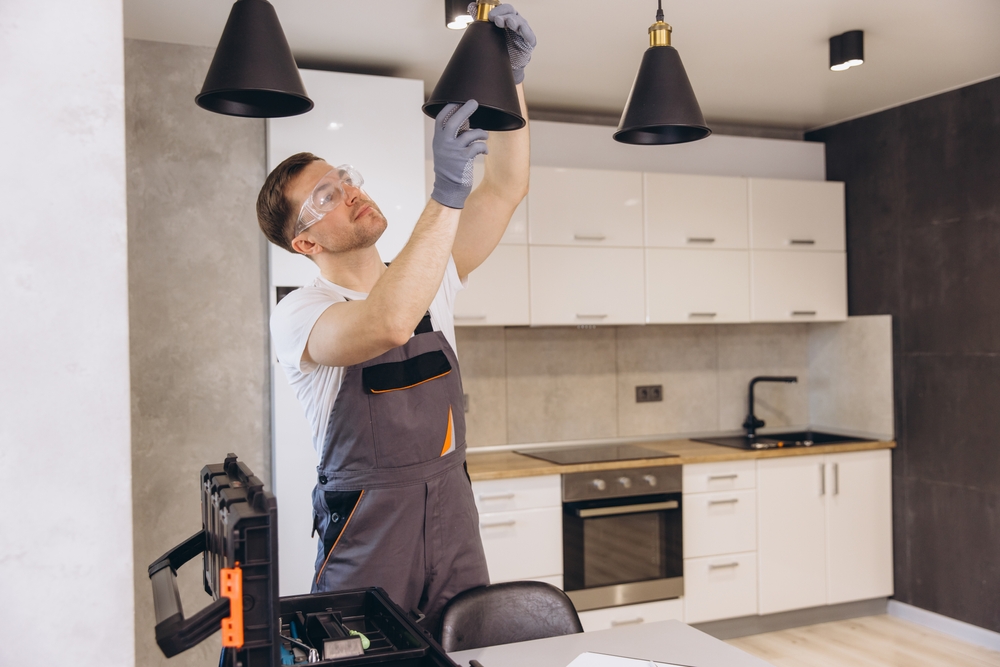
Owning a rental property in the Sacramento area can be a rewarding investment. However, one of the biggest challenges landlords face is managing repairs and maintenance. From routine upkeep to late-night emergencies, staying on top of property maintenance is a full-time job. A well-managed maintenance plan not only keeps your tenants happy but also protects the long-term value of your asset.
This guide provides a comprehensive overview for Sacramento landlords on handling repairs and maintenance effectively. We will cover your legal responsibilities, the different types of maintenance, best practices for managing tenant requests, and how a professional property manager can simplify the entire process.
Why Maintenance Management Matters for Sacramento Landlords
Proactive maintenance management is more than just fixing what’s broken; it’s a core strategy for success. For landlords from Roseville to Folsom, a well-maintained property directly impacts the bottom line. When you handle repairs efficiently, you protect your investment by preventing small issues from becoming costly structural problems. A leaky faucet, if ignored, can lead to water damage and mold, turning a minor fix into a major expense.
Furthermore, responsive maintenance is a key driver of tenant satisfaction. Happy tenants are more likely to renew their leases, reducing turnover costs and vacancy periods. In a competitive rental market like Sacramento, a reputation for being a responsible and attentive landlord can give you a significant advantage. On the other hand, poor repair handling often leads to tenant disputes, higher vacancy rates, and a decline in your property’s value. Consistent upkeep is crucial to maximizing your return on investment.
Landlord Responsibilities for Repairs and Maintenance in California
California law requires landlords to maintain their properties in a “habitable” condition. This legal standard, known as the implied warranty of habitability, means the rental unit must be fit for human occupation. This is not a suggestion but a legal obligation.
Your duties as a landlord include ensuring the property has essentials like effective waterproofing, functional plumbing and gas facilities, a reliable heating system, and safe electrical wiring. Any condition that endangers the health or safety of a tenant must be addressed.
Examples of essential repairs required by state law include:
- Fixing a broken heater in the winter.
- Repairing a major water leak from the roof or pipes.
- Addressing pest infestations like cockroaches or rodents.
- Ensuring doors and windows have working locks.
Failing to make these necessary repairs in a timely manner can have serious legal consequences. Understanding your obligations is the first step in creating a compliant and effective maintenance plan.
Types of Rental Property Maintenance Every Owner Should Know
Effective property management involves categorizing maintenance tasks to prioritize and budget accordingly. Here are the main types every owner in areas like Rocklin and Granite Bay should be familiar with.
Routine Maintenance
This includes regularly scheduled tasks performed to keep the property in good working order. Routine maintenance is predictable and helps maintain the property’s appearance and functionality. Examples include landscaping, cleaning common areas in a multi-unit building, checking for leaks under sinks, and inspecting fire extinguishers. A consistent schedule for these tasks prevents neglect and keeps tenants satisfied.
Preventive Maintenance
Preventive maintenance is about being proactive. It involves inspections and servicing designed to identify and fix potential problems before they become emergencies. This approach saves money, extends the life of your property’s systems, and minimizes unexpected disruptions for your tenants. Key preventive tasks include annual HVAC servicing, roof and gutter inspections, professional pest control treatments, and testing smoke and carbon monoxide detectors.
Emergency Repairs
These are urgent issues that require immediate attention to protect the property or ensure a tenant’s safety. Common emergencies include major flooding from a burst pipe, a complete loss of heat during cold weather, a gas leak, or a serious electrical hazard. As a landlord, you must have a plan for handling these situations 24/7. This often means having an on-call maintenance team or a trusted network of vendors who can respond at any hour.
Cosmetic or Upgrade Maintenance
While not legally required, cosmetic updates can significantly boost your property’s appeal and rental value. This category includes tasks like repainting between tenants, replacing worn-out carpeting with modern flooring, or updating kitchen appliances and bathroom fixtures. These upgrades help you stay competitive, attract high-quality tenants, and justify higher rental rates, ultimately improving your ROI.
Best Practices for Handling Tenant Repair Requests
A streamlined process for managing repair requests is essential for efficiency and tenant satisfaction. It ensures that nothing falls through the cracks and that all parties are on the same page.
Clear Reporting System
The best way to manage requests is through a centralized system. Relying on phone calls or text messages can lead to miscommunication and lost information. Implementing a tenant portal or a dedicated maintenance request form allows tenants to submit issues in writing, providing all the necessary details. This creates an organized record and ensures you have the information needed to act quickly.
See What Your Rental Could Earn
Get a free, no-obligation rental income estimate based on current Sacramento market data — find out how much your investment could bring monthly, with zero commitment.
Get My Free Rental EstimateResponse Time Expectations
Tenants want to know their concerns are being heard. Acknowledge every request promptly, even if the fix will take time. For non-urgent issues, aim to schedule a repair within a few days. For habitability-related problems, California law requires landlords to act within a “reasonable” time, often interpreted as 30 days, but sooner for more serious issues. Setting clear and realistic timelines manages tenant expectations and demonstrates professionalism.
Communication and Documentation
Clear communication is vital. Keep the tenant informed about the status of their request, including when a vendor is scheduled to visit and when the repair is complete. Equally important is documenting everything. Maintain a written record of every maintenance request, communication with the tenant, and invoices from vendors. This documentation builds tenant trust and provides a legal shield in case of a dispute.
How Property Managers Streamline Repairs and Maintenance
For many owners, coordinating maintenance is the most stressful part of being a landlord. This is where a professional property management company like SPMG provides immense value. We take the burden off your shoulders by handling every aspect of maintenance with a proven, efficient system.
Property managers maintain a network of vetted, licensed, and insured vendors who provide quality work at competitive prices. We handle scheduling, follow-up, and payment. We also implement preventive maintenance schedules to catch issues early, saving you money on future repairs. Our technology platforms allow us to track costs, compare quotes, and monitor response times, ensuring full accountability and transparency for our owners.
Common Mistakes Landlords Make (and How to Avoid Them)
Even well-intentioned landlords can make costly mistakes. Here are a few common pitfalls to avoid.
Delaying Repairs
Ignoring a small problem rarely makes it go away; it usually makes it worse. A minor roof leak can become a major interior water damage claim if not addressed. Procrastinating on repairs leads to more expensive fixes, angers tenants, and increases your legal liability. Address all reported issues promptly.
Skipping Regular Inspections
“Out of sight, out of mind” is a dangerous approach for rental properties. Biannual or annual inspections are crucial for identifying hidden issues like slow leaks, pest problems, or unauthorized alterations by tenants. Regular inspections help you plan for future expenses and reduce the likelihood of costly emergencies.
Hiring Unlicensed Contractors
Trying to save a few dollars by hiring an unlicensed or uninsured handyman can backfire spectacularly. If they perform faulty work, you’ll have to pay to fix it correctly. Worse, if they are injured on your property, you could be held liable. Always use licensed, bonded, and insured professionals to protect your investment and mitigate risk.
Budgeting for Maintenance Costs
Smart landlords treat maintenance as a predictable operating expense, not a surprise. A common guideline is to set aside a reserve fund of 1–2% of the property’s value annually for maintenance and repairs. For a $500,000 property, that’s $5,000 to $10,000 per year. This fund ensures you have cash on hand for both planned spending and unexpected emergencies, preventing financial strain. Our guide on “Budgeting for Capital Improvements” can help you plan for larger projects.
How Sacramento Property Management Group Handles Repairs
At Sacramento Property Management Group, we have perfected a maintenance system designed for owner peace of mind and asset protection. Our process includes 24/7 maintenance coordination, ensuring that tenant emergencies are handled immediately, day or night. We conduct routine inspections to catch issues early and use a rigorous vendor vetting process to guarantee all work is performed by qualified professionals.
Our owner portal provides complete transparency. You can view work orders, see invoices, and approve estimates, so you are always in control of your expenses. We handle the calls, the scheduling, and the follow-up, allowing you to enjoy the benefits of property ownership without the stress.
Ready to simplify your maintenance process? Request a free property management consultation to learn how we can help.
Final Thoughts: Maintenance Is an Investment, Not an Expense
Viewing maintenance as a strategic investment rather than a burdensome expense is a critical mindset shift. Consistent, professional upkeep leads to higher tenant retention, fewer costly emergencies, and a stronger, more predictable return on your investment. It protects the physical integrity of your property and enhances its value over time.