Owning a rental property in Sacramento is a significant investment, but it’s not a “set it and forget it” asset. Just like a car requires regular oil changes and tire rotations to run smoothly, a rental home needs consistent care to maintain its value and keep tenants happy. The unique climate of the Sacramento Valley—with its scorching, dry summers and cool, wet winters—presents specific challenges that property owners must address proactively.
Neglecting maintenance is a dangerous gamble. A small leak ignored today can become a mold disaster tomorrow. A furnace that isn’t serviced in the fall might fail on the coldest night in January, leading to emergency repair bills and frustrated tenants. This reactive approach is stressful and expensive.
The alternative is preventative maintenance. By implementing a scheduled plan to inspect and service your property, you can catch issues while they are small, manageable, and cheap to fix. This approach extends the lifespan of your expensive systems (like HVAC and roofing), keeps your property legally compliant, and demonstrates to your tenants that you care about their home—which encourages them to stay longer.
This guide provides the ultimate preventative maintenance Sacramento checklist. It is designed specifically for the local climate and rental market, breaking down tasks by season and system to help you protect your investment and maximize your ROI.
Why Preventative Maintenance is Non-Negotiable in Sacramento
Before diving into the checklist, it is crucial to understand why this matters so much for your bottom line.
1. The Cost of Emergency vs. Planned Repairs
Emergency repairs always cost more. Plumbers and HVAC technicians charge premiums for after-hours or same-day service. When you are desperate, you don’t have time to shop around for the best quote. Preventative maintenance allows you to schedule work during normal business hours at standard rates.
2. Protecting Property Value
Your rental property is likely one of your biggest assets. Deferred maintenance leads to “deferred appreciation.” A home with a 20-year-old roof, peeling paint, and an overgrown yard will appraise for significantly less than a well-maintained comparable property. Rental property care is essentially wealth preservation.
3. Tenant Retention
Tenants want to live in a home that works. If the AC breaks every July or the toilet constantly runs, good tenants will leave. High turnover is expensive—you lose rent, pay for marketing, and incur turnover costs. A well-maintained home attracts and retains high-quality residents who pay on time and treat the property with respect.
4. Legal Liability
California law requires landlords to maintain a “habitable” premise. Failure to fix critical issues like heating, plumbing, or weatherproofing isn’t just bad business; it’s illegal. Regular inspections ensure you are always on the right side of the law.
The Seasonal Preventative Maintenance Checklist
Sacramento’s weather dictates the maintenance schedule. You need to prepare the home for the intense heat before summer hits and weatherproof it before the winter rains arrive.
Spring (March – May): Pre-Summer Prep
Spring is the most critical time for preventative maintenance in Sacramento. You must get the property ready for the inevitable triple-digit heat.
HVAC System Optimization
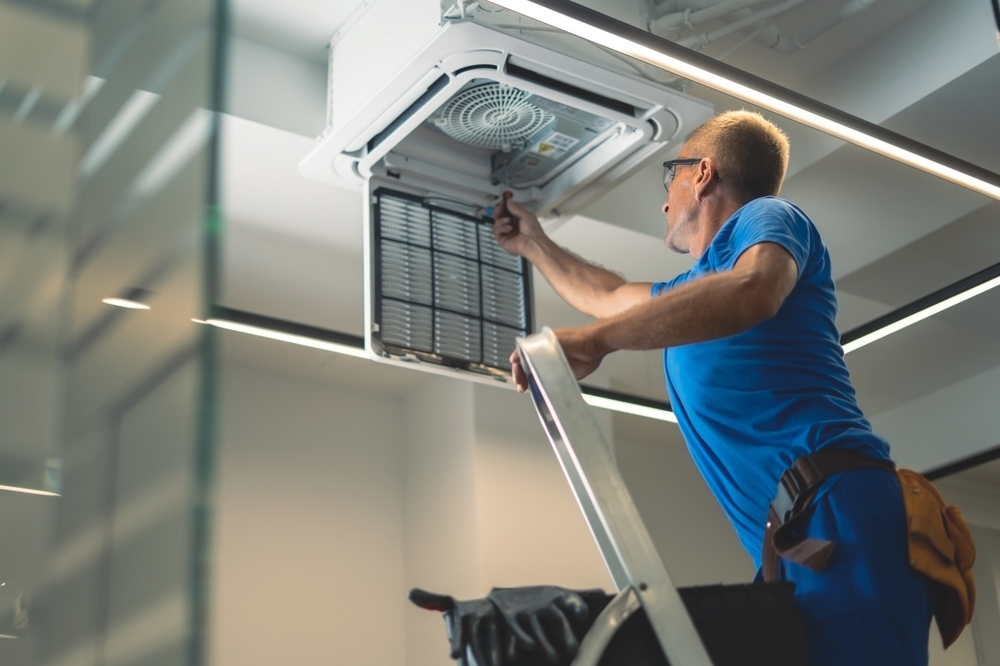
- Professional Tune-Up: Hire a licensed HVAC technician to service the air conditioning unit. They should check refrigerant levels, clean the coils, check the blower motor, and test the thermostat.
- Filter Change: Replace the air filter and leave a supply for the tenant. A clogged filter is the #1 cause of AC failure.
- Clear Debris: Ensure the exterior condenser unit is clear of leaves, grass clippings, and shrubs. Ideally, there should be 2 feet of clearance around the unit for proper airflow.
Exterior and Landscaping
- Tree Trimming: Inspect trees for dead branches that could fall during spring storms. Trim vegetation back from the roof and siding to prevent pest access and physical damage.
- Sprinkler System Check: Turn on the irrigation system. specific zones often break or get clogged during winter. Check for broken heads, leaks, and ensure the timer is set correctly for the spring growing season.
- Pest Control: As the weather warms, ants and other pests become active. proactive spraying around the perimeter can prevent infestations inside.
Roof and Gutters
- Inspect the Roof: Look for loose or missing shingles from winter storms. Check flashing around chimneys and vents.
- Clean Gutters: Even if you cleaned them in the fall, winter storms can fill gutters with debris. Clogged gutters can lead to water backing up under the roofline.
Safety Checks
- Smoke and CO Detectors: Test all alarms and replace batteries. Check the expiration date on the back of the units (smoke alarms typically last 10 years; CO alarms 5-7 years).
- Fire Extinguisher: Ensure the kitchen fire extinguisher is fully charged and accessible.
Summer (June – August): Monitoring and Landscaping
Summer maintenance is largely about keeping the property cool and keeping the landscape alive.
Landscaping and Irrigation
- Monitor Water Usage: Sacramento often has water restrictions. Ensure your tenants (or your landscaper) are watering on the correct days and times to avoid fines.
- Weed Abatement: Dry weeds are a major fire hazard in our region. Ensure all dry grass and weeds are cut down, especially around the perimeter of the property.
Interior Checks
- Check for Leaks: With AC running constantly, the condensate drain line can clog, causing water damage to ceilings or floors. Check that the drain line is clear and flowing properly.
- Window Seals: Check for drafts around windows and doors. Failing weatherstripping lets cool air out and hot air in, driving up energy bills and straining the HVAC system.
Fall (September – November): Winterization
Before the “Big Rain” arrives, you must waterproof the property.
HVAC System (Heating Focus)
- Furnace Service: Just as you serviced the AC in spring, have the furnace inspected now. The technician should check the heat exchanger for cracks (a carbon monoxide hazard), test the ignition system, and clean the burner.
- Change Filters: Start the heating season with a fresh filter.
Roof and Gutters (Critical Step)
- Clean Gutters and Downspouts: This is the most important fall task. Falling leaves from Sacramento’s famous tree canopy can clog gutters instantly. Ensure downspouts divert water away from the foundation (at least 3-5 feet).
- Roof Inspection: Check for any damage that could let water in. Repair cracked caulk around vents and skylights.
Exterior Protection
- Winterize Pipes: Disconnect garden hoses and cover exterior hose bibs with foam insulators to prevent freezing (yes, it can freeze in Sacramento!).
- Seal Gaps: Mice and rats look for warm places in the fall. Inspect the foundation and siding for any holes larger than a dime and seal them with steel wool and caulk.
- Check Sump Pump: If your property has a basement or crawlspace with a sump pump, test it to ensure it activates when water rises.
Chimney and Fireplace
- Inspection and Sweep: If the property has a wood-burning fireplace, have it inspected and cleaned by a professional chimney sweep to prevent creosote buildup and chimney fires.
Winter (December – February): Storm Watch
Winter maintenance is reactive to weather events, but vigilant monitoring is key.
See What Your Rental Could Earn
Get a free, no-obligation rental income estimate based on current Sacramento market data — find out how much your investment could bring monthly, with zero commitment.
Get My Free Rental EstimateStorm Aftermath
- Drive-by Inspections: After major storms, drive by the property (or have your manager do it) to check for fallen fences, downed tree limbs, or roof damage.
- Check for Drainage Issues: During heavy rain, check the property to ensure water isn’t pooling against the foundation.
Interior Moisture Control
- Educate Tenants: Mold grows in damp, stagnant air. Remind tenants to use exhaust fans when showering and cooking, and to keep the house heated to a reasonable temperature to prevent condensation on walls.
The “Big Ticket” Systems: Long-Term Maintenance Strategy
Beyond the seasonal tasks, major systems have lifespans you need to track. Budgeting for these replacements prevents financial shock.
1. Water Heater
- Lifespan: 8-12 years (tank), 15-20 years (tankless).
- Maintenance: Flush the tank annually to remove sediment buildup. This improves efficiency and extends the life of the unit. Check the Temperature and Pressure Relief (TPR) valve to ensure it works.
- Pro Tip: If the unit is over 10 years old and located inside the house (not the garage), replace it proactively. A burst water heater can cause tens of thousands of dollars in flood damage.
2. Paint and Flooring
- Paint Lifespan: 5-7 years (interior), 7-10 years (exterior).
- Flooring Lifespan: 5-7 years (carpet), 15+ years (LVP/Tile).
- Strategy: Exterior paint is your home’s first defense against the elements. If you see peeling or cracking stucco, you are inviting water damage. For interiors, durable paint (satin or semi-gloss) lasts longer and is easier to clean than flat paint.
3. Fencing
- Lifespan: 15-20 years for wood fencing.
- Maintenance: Sacramento winds can be brutal on fences. Inspect posts for rot annually. Replacing a few rotted posts is much cheaper than replacing an entire fence line that blew over in a storm.
Safety and Compliance: The “Must-Do” List
Safety isn’t just about maintenance; it’s about liability.
1. Carbon Monoxide and Smoke Detectors
California law is strict. You must have a smoke detector in every bedroom and in the hallway outside sleeping areas. You must have a CO detector on every level of the home.
- Ten-Year Seal: As of recent laws, battery-operated smoke alarms must be the 10-year sealed battery type. If you still have old ones with replaceable 9V batteries, upgrade them immediately.
2. Balconies and Decks (SB 721/SB 326)
Following the tragic balcony collapse in Berkeley, California implemented strict laws regarding the inspection of “exterior elevated elements” (balconies, decks, stairways) for multi-family buildings. If you own a property with 3+ units, you must have these inspected by a licensed professional. Even for single-family homes, regular deck inspections for dry rot and structural integrity are essential.
3. Lead Paint and Asbestos
If your property was built before 1978, you must provide tenants with a lead-based paint disclosure. Be careful with DIY repairs that disturb paint or old popcorn ceilings (which may contain asbestos). Always hire certified professionals for abatement or remediation.
Tenant Education: Your First Line of Defense
Your tenants are the eyes and ears of your property. They are there every day. A proactive relationship with them is part of your preventative maintenance strategy.
The Move-In Walkthrough
This is the time to educate. Don’t just hand over the keys. Walk them through the home and show them:
- Where the main water shut-off valve is located (critical for emergencies!).
- How to change the HVAC filter.
- How to reset a tripped GFI outlet.
- What can and cannot go down the garbage disposal.
Reporting Maintenance
Make it easy for tenants to report issues. If they have to jump through hoops to tell you about a leak, they won’t tell you until the ceiling collapses. A simple text, email, or online portal system encourages early reporting.
At Sacramento Property Management Group, our Proven Process includes a streamlined maintenance request system that ensures we catch small problems before they become big expenses.
DIY vs. Professional Management: Who Should Handle Maintenance?
Many landlords start out doing maintenance themselves to save money. This can work if you are handy, live close to the property, and have plenty of free time. However, it comes with risks.
The Hidden Costs of DIY
- Time: Do you have time to drive to the property, diagnose the issue, drive to the hardware store, fix it, and drive back?
- Quality: Are you qualified to fix plumbing or electrical issues? A poor repair job often fails again quickly and can cause more damage.
- Liability: If you fix a step incorrectly and a tenant falls, you are liable. Licensed vendors carry insurance that protects you.
The Professional Advantage
Hiring a property manager gives you access to rental property care at a professional level.
- Vendor Discounts: Property managers provide volume work to vendors, often securing lower rates than an individual homeowner can get.
- Vetted Experts: You don’t have to guess if a contractor is reliable. Managers use vendors who have been tested and vetted for quality and insurance.
- 24/7 Availability: You don’t get the 2:00 AM emergency call—the manager does.
Create Your Preventative Maintenance Binder
To stay organized, we recommend creating a physical or digital binder for each property.
What to Include:
- The Checklist: A printed version of the seasonal tasks listed above.
- Vendor List: Contact info for your preferred plumber, electrician, roofer, and handyman.
- Appliance Info: Model and serial numbers for all appliances, plus manuals and warranty info.
- Paint Codes: The brand, color name, and finish of every paint used in the house (this saves hours of matching later!).
- Maintenance Log: A simple sheet to record every repair made, the date, the cost, and who did the work.
Conclusion: Invest in Peace of Mind
Preventative maintenance is about more than just fixing things—it’s about peace of mind. It’s knowing that your investment is secure, your tenants are safe, and you won’t be blindsided by avoidable financial disasters.
By following this Preventative Maintenance Checklist for Sacramento Rental Properties, you are taking control of your investment. You are moving from a reactive, stressful management style to a proactive, professional one.
However, executing this checklist requires time, discipline, and expertise. If managing this schedule feels overwhelming, or if you simply prefer to enjoy the passive income without the active work, consider partnering with a professional.
At Sacramento Property Management Group, we treat every home we manage as if it were our own. Our proactive maintenance protocols are designed to save owners money and protect their assets for the long haul.
Ready to take the hassle out of property maintenance? Contact Us today to learn how our full-service management can keep your investment in peak condition year-round.